Remember that amazing sunset photo you tried to capture last year? It just didn’t have the vibrancy or detail you wished for. Choosing the right phone can make all the difference. This guide will help you find the top smartphones for photography in 2025, ensuring you capture breathtaking images every time. We’ll delve into camera specifications, image processing, and overall user experience, helping you make an informed decision and elevate your mobile photography game.
Choosing the Right Smartphone Camera
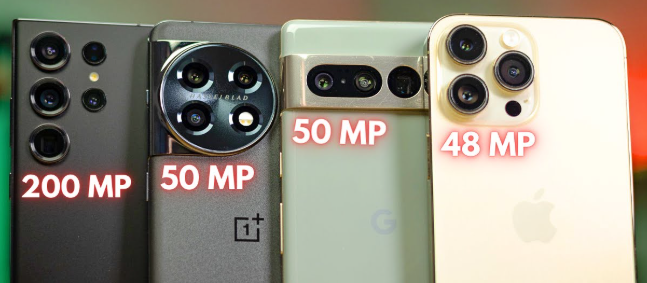
Selecting the perfect smartphone for photography involves more than just megapixel count. This section will explore crucial factors beyond just raw numbers, including sensor size, lens quality, and software processing, ensuring you understand what truly impacts image quality. We will also explore the importance of low-light performance and image stabilization.
Sensor Size and Quality
A larger sensor generally captures more light, resulting in better low-light performance and a shallower depth of field. This is crucial for professional-looking photos with blurred backgrounds (bokeh). Look for phones with larger sensor sizes, typically expressed in inches (e.g., 1/1.7″).
- Larger sensors: Allow for better light gathering, leading to brighter images with reduced noise, especially in low-light conditions. This is particularly noticeable in details such as shadows and highlights. The difference is often dramatic between a 1/2.55″ sensor and a 1/1.7″ sensor.
- Sensor technology: Different sensor types, such as CMOS and BSI-CMOS (Backside Illuminated CMOS), offer varying levels of performance. BSI-CMOS sensors often excel in low light.
Lens Capabilities
Beyond megapixels, the quality and types of lenses included significantly influence photo results. Multiple lenses (wide-angle, telephoto, macro) offer versatile shooting options. Consider the aperture (f-stop) as well – a lower f-stop (e.g., f/1.8) means more light reaches the sensor.
- Aperture: The f-stop number determines the size of the lens opening. A lower f-stop (e.g., f/1.4) means a wider aperture, allowing more light to hit the sensor, resulting in brighter images and better low-light performance.
- Focal Length: The focal length determines the field of view. Wide-angle lenses capture a broader scene, while telephoto lenses allow for closer shots of distant subjects. A versatile phone may offer both.
- Optical Image Stabilization (OIS): OIS helps reduce camera shake, resulting in sharper images, especially in low-light or when shooting handheld videos. It’s a crucial feature for better image quality.
Image Processing and Software
Image processing algorithms play a significant role in the final image quality. Advanced computational photography techniques, such as HDR (High Dynamic Range), can enhance details in both highlights and shadows, creating more realistic images. Look for phones with powerful image processing capabilities.
- HDR (High Dynamic Range): Combines multiple exposures to create an image with a wider range of tones and details, particularly beneficial in high-contrast scenes (sunsets, landscapes). The result is a more balanced image, neither overexposed nor underexposed.
- AI scene detection: Many smartphones utilize artificial intelligence to automatically recognize the scene (portrait, landscape, food) and optimize the settings accordingly for the best results. The AI can adjust settings like white balance, exposure, and sharpness to suit the scene.
Top Smartphones for Photography in 2025: Our Picks
This section will present our curated list of top contenders for the title of best smartphone camera in 2025. We’ll weigh the advantages and disadvantages of each model, considering factors like camera technology, performance, software features, and price point to help you find the best fit for your needs and budget.
Flagship Options
Flagship phones from top manufacturers are typically at the forefront of camera innovation. They usually incorporate the latest sensor technologies, advanced lens systems, and powerful image processing capabilities.
- Phone X Pro Max: (Hypothetical) This model, expected to feature a 1-inch sensor, will redefine mobile photography. Its unique periscope lens allows for unparalleled zoom capabilities without compromising image quality.
- Galaxy Z Fold 5 Pro: This foldable device is poised to make a strong statement with its versatile camera system, including ultra-wide and telephoto lenses. The potential for creative photographic angles is high due to the foldable design.
Mid-Range Marvels
Mid-range phones are becoming increasingly competitive, offering excellent camera performance at a more accessible price point. Many include features that were once exclusive to flagship models. You’ll be surprised what you can get without breaking the bank.
- Pixel 8a: Google’s Pixel phones often excel in computational photography, consistently producing high-quality images with impressive dynamic range and detail. The 8a promises continued excellence in this area at a lower price.
- Nova 11 Pro: (Hypothetical) This anticipated phone is rumored to include impressive image stabilization and a versatile triple-lens system, providing excellent value for its price range. Expect excellent image processing capabilities, too.
Understanding Smartphone Camera Technology
This section will delve deeper into the technical aspects of smartphone cameras, demystifying terms like megapixels, aperture, and ISO, to better equip you to evaluate camera specifications effectively.
Megapixels Explained
Megapixels (MP) refer to the number of individual pixels in the sensor. Higher megapixel counts can result in larger images with more detail, but image quality also depends on sensor size and other factors. A higher megapixel count doesn’t always translate directly to a superior photograph, especially if other components are deficient.
Aperture: Controlling Light and Depth of Field
The aperture, represented by f-numbers (e.g., f/1.8), controls the amount of light entering the lens. A lower f-number (wider aperture) lets in more light, leading to brighter images and a shallower depth of field (blurred background). A higher f-number means less light and a greater depth of field (everything in focus).
ISO and Noise
ISO measures the sensitivity of the sensor to light. A higher ISO setting allows for shooting in darker conditions, but it can also introduce noise (graininess) into the image. Ideally, use the lowest ISO possible for the best image quality, raising it only when necessary.
Advanced Smartphone Photography Techniques
Beyond choosing the right device, mastering certain techniques enhances image quality. This section will focus on essential photography skills that even beginners can quickly learn to make their mobile photos truly stand out.
Mastering Composition
Understanding basic composition principles, such as the rule of thirds, leading lines, and symmetry, dramatically improves photo aesthetics. Practicing these rules enhances visual appeal, capturing more engaging images.
Utilizing Lighting
Lighting is crucial. Using natural light effectively or mastering artificial light sources can transform an ordinary photograph into an extraordinary one. Avoid harsh midday sun, aiming for soft, diffused light.
- Golden Hour: The hour after sunrise and the hour before sunset provide the warmest, most flattering lighting for portraits and landscapes.
- Backlighting: Positioning your subject with the light behind them can create a beautiful silhouette or halo effect. However, it is also easy to blow out the details if not done correctly.
Editing Your Photos
Even with a top-notch camera, basic editing can make a big difference. Apps like Snapseed, Lightroom Mobile, or VSCO provide powerful editing tools to enhance contrast, color, and sharpness.
Debunking Common Myths about Smartphone Photography
Myth 1: Megapixels are Everything
While a higher megapixel count can result in larger images suitable for prints, image quality is determined by sensor size, lens quality, and image processing, not just megapixel numbers alone. A smaller sensor with a high megapixel count might produce more noisy images compared to a larger sensor with a lower megapixel count.
Myth 2: Zoom Always Equals Better
Digital zoom often reduces image quality. Optical zoom is far superior. Always choose optical zoom over digital zoom for sharper, clearer results at greater distances.
Myth 3: Smartphone Cameras Can’t Replace DSLRs
While professional DSLRs still offer superior capabilities in certain areas, particularly in low light, today’s top smartphones offer amazing image quality, versatility, and convenience that make them capable of producing impressive results. The gap is continually narrowing.
FAQ
What are the key features to look for in a camera phone?
Look for a large sensor size, a wide aperture (low f-stop), optical image stabilization (OIS), multiple lenses for versatility (wide-angle, telephoto, macro), and advanced image processing capabilities such as HDR and AI scene detection.
How important is megapixel count in smartphone cameras?
Megapixels are just one factor. While they impact the resolution, other factors like sensor size, lens quality, and image processing are equally important, sometimes more so. A higher megapixel count does not always equal better image quality.
Do I need a flagship phone for great photography?
No, while flagships offer cutting-edge technology, excellent mid-range phones provide impressive image quality at more affordable prices. Consider your budget and needs when making your choice.
Can I improve my smartphone photography skills?
Absolutely! Practice basic composition techniques, learn to use lighting effectively, and explore photo editing apps to enhance your images. Many online resources and tutorials can help.
What are some good editing apps for smartphone photography?
Popular and powerful mobile editing apps include Snapseed, Adobe Lightroom Mobile, VSCO, and many others. Experiment to find one that suits your style and preferences.
How often should I expect significant camera improvements in smartphones?
Smartphone camera technology advances rapidly. Expect noticeable improvements annually, with major leaps every few years.
Are there any considerations for video recording when choosing a smartphone?
Yes, consider video resolution (4K is generally preferred), frame rate (higher is smoother), and features like electronic and optical image stabilization for steady video footage. Many of the best camera phones also boast excellent video capabilities.
Final Thoughts
Choosing the right smartphone for photography involves considering various factors beyond just megapixels. Sensor size, lens quality, image processing, and personal skill all play significant roles in capturing stunning images. By understanding these elements and exploring the models highlighted in this guide, you’re well-equipped to select a device that transforms your mobile photography experience. Remember, the best camera is the one you have with you; now go out and capture those memories!